Forging A New Relationship between
Humans & Technology
In July 2018 I began a new study into how technology can be designed in closer view of our human experience. Although this relationship between human and tool was already very present in my work, it was a NPR podcast titled “Attention Please“ that inspired me to begin researching the subject more specifically. The podcast outlined the pitfalls of an “Attention Economy” concisely and eloquently. My peers and I in the XR industry have great hopes for the positive applications of XR technology. While I will continue to work in XR, I came to the realization in my research that there are some very important tech solutions to create before XR reaches the public. The first solution is designed to shift our data hungry economy away from maximizing and gamifying our attention. Below is a clip from my latest talk where I introduce Humane Tech and The Center for Humane Technology. You can find the full version under Talks.
Tech Research
UI/UX
Tech Communication
2018 - Present
The Center for Humane Technology
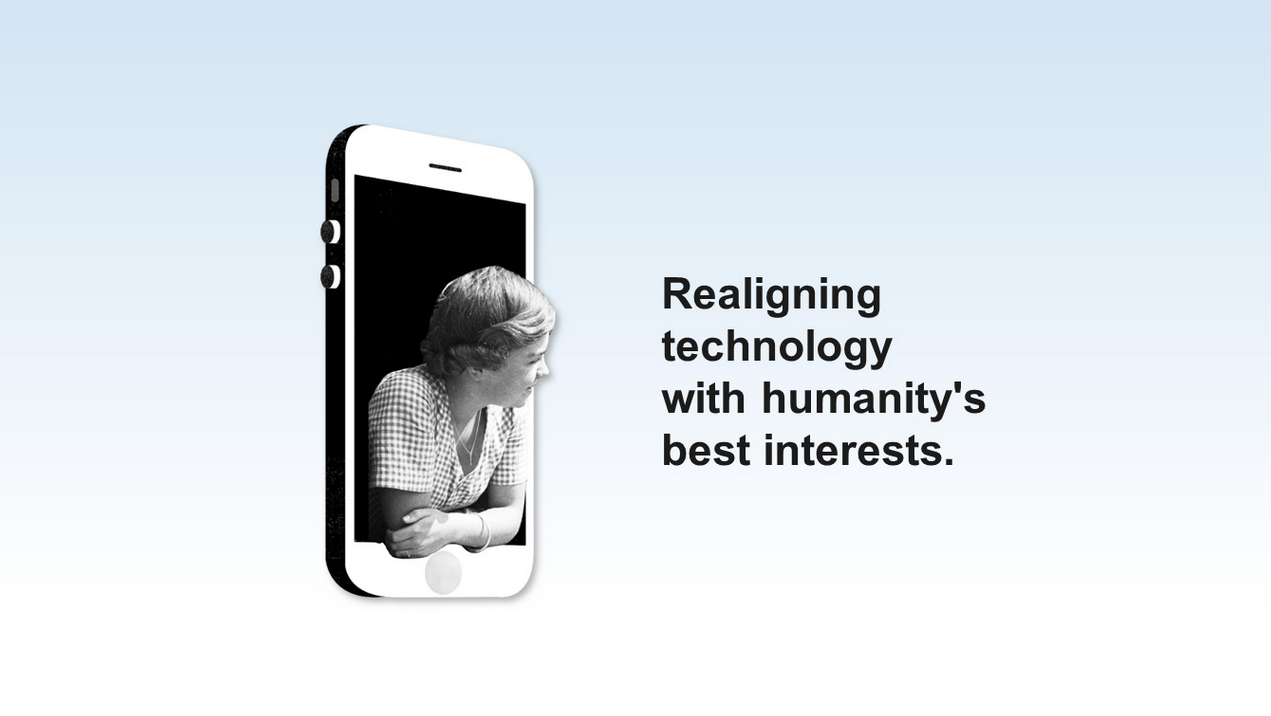
Photo: Homepage of HumanTech.com
One of the segments within the podcast I mentioned above is an interview with Tristan Harris. Tristan, in recent years, was a design ethicist at Google until he left to founded the Center for Humane Technology. Tristan and the others at the organization have been exemplary thought leaders in this study. I often cite their work when I introduce others to the subject. The dynamics of the attention economy are incredibly complex and with their great insight, their organization has done amazing work in outlining the dynamics concisely. I look forward to the work they have in store as well as potentially collaborating with their initiatives.
Jaron Lanier and VPL
Jaron Lanier is the engineer/technologist/writer who coined the term “Virtual Reality”. I was first made aware of him through his writing on VR. It wasn’t until that NPR podcast that I heard some of his thoughts on the current state of social media. Above is a TED talk he gave in April 2018, in it he very delicately explains some of the problems we face. I am quick to point others to this talk as they begin to seek more contemplation on the subject of Humane Technology. Also in 2018, he released his latest book, “10 Arguments for Deleting Your Social Media”. This book is a great asset because whether or not you agree with each of his arguments, the depth that he achieves in the subject is a feat in itself. Much of the charge I felt in pursuing this topic comes from the fact that my other study, Virtual Reality, is primed to plug into it. As someone who holds knowledge in VR and in the history of information tech, I value his presence. Again, I look forward to his continued work in each field.
Bicycle for the Mind
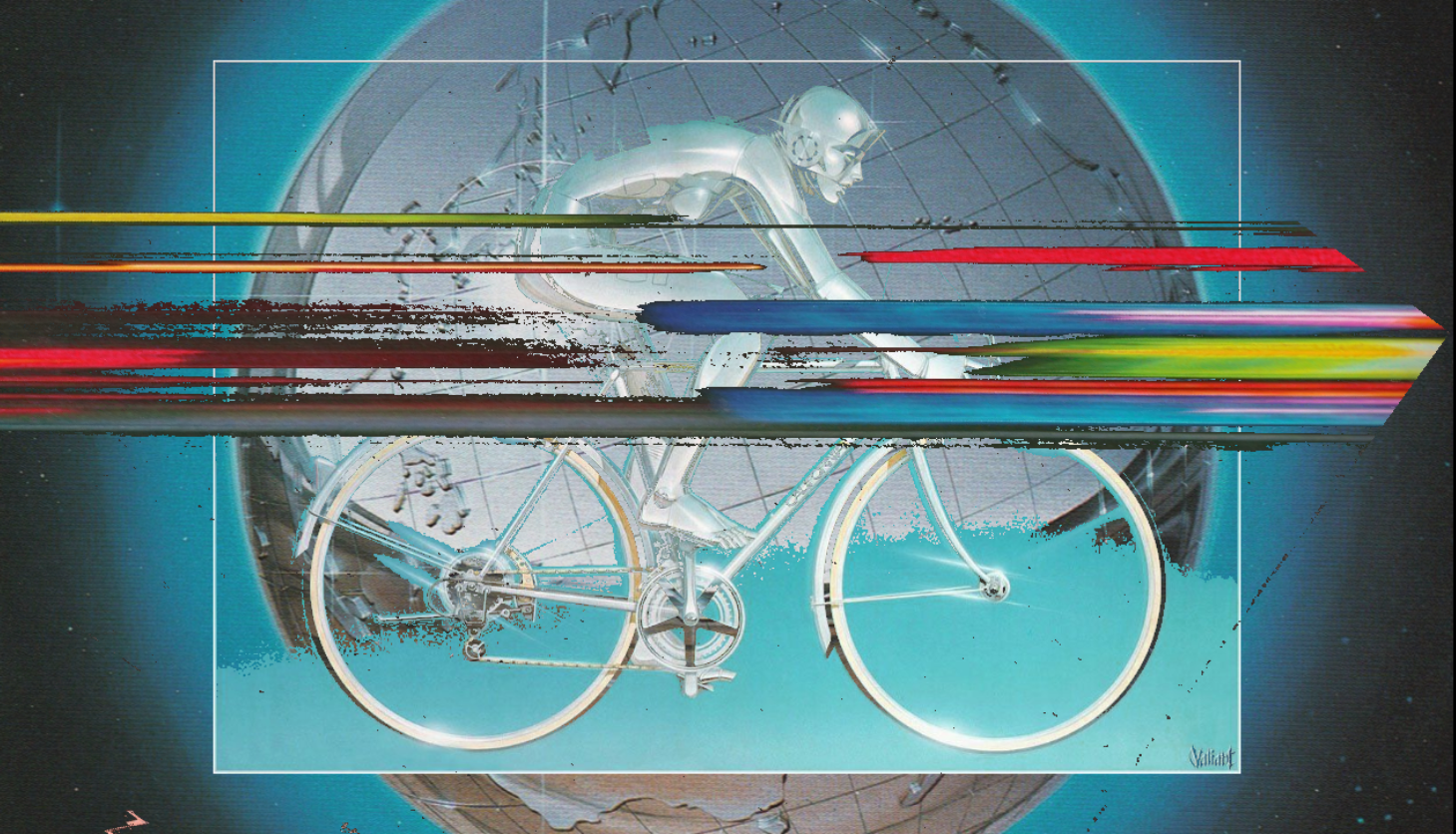
An edit of “Bike” by Hajime Sorayama
Steve Jobs believed personal computing could serve as a “Bicycle for the Mind”. In many ways, I too believe personal computing is that bicycle; it has propelled our minds in a myriad of new pathways. In recent decades I believe we’ve pushed this bicycle too quickly, some of this comes from the inherent game theory of modern business pacing. The bicycle’s parts are beginning to show signs of failure under new pressure. While we experience these new pressures, we also anticipate more pressures, pressures larger than we’ve ever seen; AI and XR. My hope is that we can get the bicycle tuned up and ready so we can incorporate AI and XR as the rocket engines that they are. If we can get all forms of technology aligned closer with the human experience, we stand the best chance at avoiding the pathways we fear.